

The Chronicler Recommends: Haunting of Hill House & Mexican Gothic
Welcome Readers!
If you’re looking for a few book recommendations to celebrate Halloween in style, we have the perfect genre for you: Gothic literature.
Let’s begin with a brief history of the genre. The gothic genre has existed since the late 18th century, but its foremost contributor is undeniably the 19th century author Mary Shelley and her novel Frankenstein (1818). Shelley’s novel encompasses the core features of the Gothic style: anxiety surrounding the supernatural, a framing narrative which distorts the story through retellings of events via several narrators and a general sense of dread for past events haunting the present time. All of these elements serve to confuse and unsettle the reader as they contribute to obscure the events of the novel. Is the monster telling the truth or is Doctor Frankenstein? Or is this an entirely invented tale by Captain Robert Walton after his return from the Artic? The truth remains at the discretion of the reader, as the book will not offer any exact answers.
In the world of Tyria, there are many tales and stories that are influenced by Gothic literature, but none so important as the Foefire.
The Foefire
1090 AE spelled the end of an era for Ascalon. Since the Searing of 1070 AE, the conflict between charr and humans in Ascalon only escalated. The fall of the Great Northern Wall allowed the charr troops to pour into southern Ascalon and overrun the human army. Two more decades of bloody war followed until the few remaining humans in Ascalon were besieged inside what remained of Ascalon City.
“Before you stands the Great Northern Wall. Built to repel the invaders in 898 A.E. It did its job well for nearly 200 years. Then, the legions got serious”
- Writing found on a piece of rubble at the foot of Ruined Wall. Author Unknown.
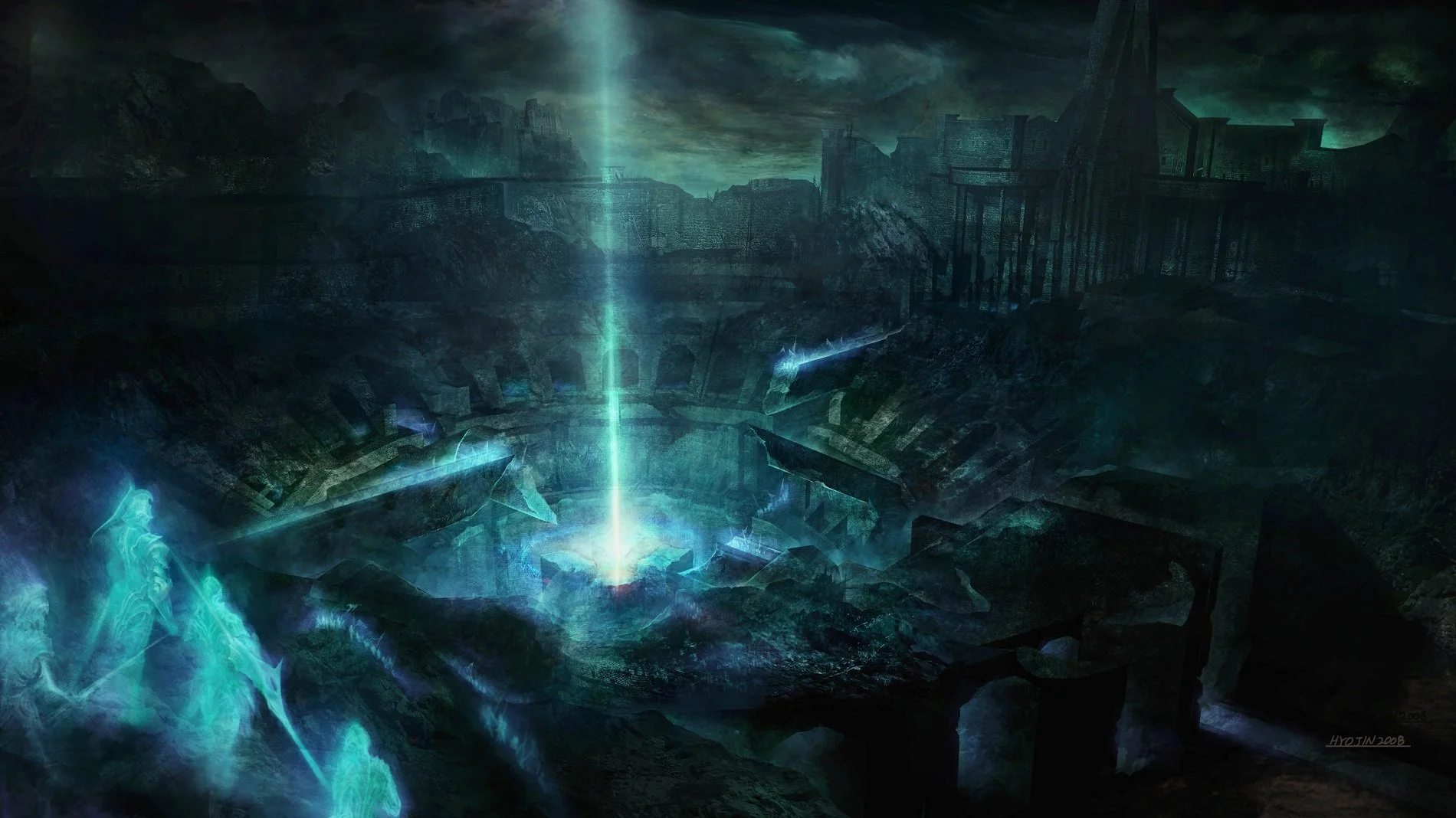
It is said that when King Adelbern saw the city gates breached and his cowardly citizen fleeing, he summoned ancient magics to curse them. Using the sword Magdaer, a great spell known as the Foefire was unleashed unto the land which ripped soul from body and turned the inhabitants of Ascalon into vengeful ghosts. Since this event, the souls of the dead haunt the land and attack any who approach. However, this is the tale told by the charr who have a vested interest in painting King Adelbern in a bad light. As no one survived the Foefire and those who were twisted by its magics cannot be relied upon as objective sources of knowledge, it is difficult to paint a picture of the last few days of the war from inside Ascalon City. The only other known account comes from Savione, an advisor to the throne stabbed by King Adelbern before the ritual was complete. As he died before the end of the ritual, his soul remaining untainted by the spell, but his view of the events is coloured by his personal desire for revenge against the king. The truth is unfortunately lost to the mists, but one could easily speculate that Adelbern did not know the extent of the spell he unleashed upon Ascalon. Nevertheless, Adelbern’s presence in Ascalon is a constant reminder to the charr of the atrocities committed during the conflict with the humans and after 200 years, travelling through this region remains a perilous journey.
“I have long known that Magdaer had other powers—remnants of the gods themselves. We Ascalonians may be doomed, but Ascalon will live on forever!” - King Adelbern
Many have attempted to pillage the catacombs of Ascalon in search of treasures or a way to end the curse, but few have returned and none have been successful in the latter. Some say that if a descendant of the royal line were to step in the catacombs wielding Magdaer, the ghost would be dispelled while scholar have spent centuries investigating rituals to banish the spirits into the Mists. Is the Gods intervention necessary to reverse the curse? Is Sohothin, the sister sword to Magdear, enough to counteract the magic? Could Magdaer be reforged? This mystery continues to give a headache to scholars throughout Tyria.
“I carry Sohothin, my blade. It's said to have the power to reverse the Foefire.” - Rytlock Brimstone
The Foefire beautifully pulls from Gothic themes to create this unsettling atmosphere around the region of Ascalon and enrich the lore of Tyria.
Without further ado, please find below the novels inspired by the Foefire’s blend of Gothic themes and aesthetics.
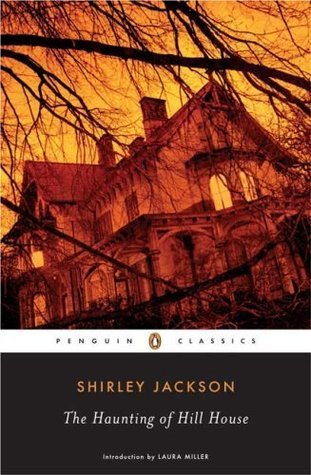
The Haunting of Hill House
by Shirley Jackson
Jackson’s 1959 novel is the quintessential haunted house experience. Dr. John Montague invites people to Hill House for the summer to investigate the alleged supernatural activities in the mansion. Amongst these people is our protagonist Eleanor Vance—a young woman acting as carer for her disabled mother.
“It was a house without kindness, never meant to be lived in, not a fit place for people or for love or for hope. Exorcism cannot alter the countenance of a house ; Hill House would stay as it was until it was destroyed.”
- The Haunting of Hill House, Shirley Jackson
As the story unfolds, the symbol of the house becomes central to Jackson’s depiction of the Gothic. The supernatural elements are directly linked to the house’s past inhabitants and how their presence can still be felt within its every corridor, doorways and the grounds around them. However, is everything exactly what it seems? Are the doors truly opening by themselves? Are there ghosts roaming the halls and are the visions real? Is Eleanor imagining it all?
Jackson forces her reader to question not only the nature of the events unfolding around this group of characters, but also the trustworthiness of her narrator. By the end, who will you believe?
Mexican Gothic
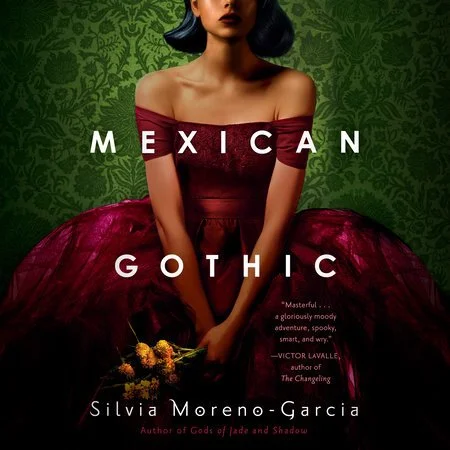
by Silvia Moreno-Garcia
Similarly to Jackson, Moreno-Garcia’s 2020 novel uses the mansion of High Place as a central motif to explore the Gothic. However, in contrast to Hill House, High Place is not abandoned; the Doyle family—an old English family dating back to colonial days—resides in the estate.
Somewhere in the 1950s around the town of El Triunfo, Noemí Taboada arrives at High Place after receiving a plea for help from her cousin Catalina. Moreno-Garcia takes this opportunity to set the scene.
“The house loomed over them like a great, quiet gargoyle. It might have been foreboding, evoking images of ghosts and haunted places, if it had not seemed so tired, slats missing from a couple of shutters, the ebony porch groaning as they made their way up the steps to the door, which came complete with a silver knocker shaped like a fist dangling from a circle.”
- Mexican Gothic, Silvia Moreno-Garcia
Although the home is lived in, its state of disrepair unsettles Noemí. Finding Catalina bedridden, she decides to stay in High Place to take care of her cousin. As the days turn into weeks, Catalina’s condition worsens and Noemí starts sleepwalking and experiencing strange visions at night. In these visions, the lines between history, dream, and reality begin to blur for Noemí.
Is Catalina’s illness actually consumption? What is the true lineage of the Doyle family? Is Noemí falling in love with Francis Doyle or is her mind playing tricks on her? High Place appears to have a strange corrupting pull on its inhabitants, but will Noemí realize it before it’s too late or will it spread to her and entrap her into its decaying embrace?
We hope the above descriptions have piqued your interest. Jackson and Moreno-Garcia’s approach to the Gothic may seem quite similar, but both have their unique twist on the genre which will have your questioning your own sanity as you turn the pages.
Thank you for reading our latest recommendations.
If you want to read these books, make sure to get them from your local bookstore or library.
If you want to keep up with our updates, make sure to follow us on Blusky or subscribe to our newsletter below.